The machine price, published
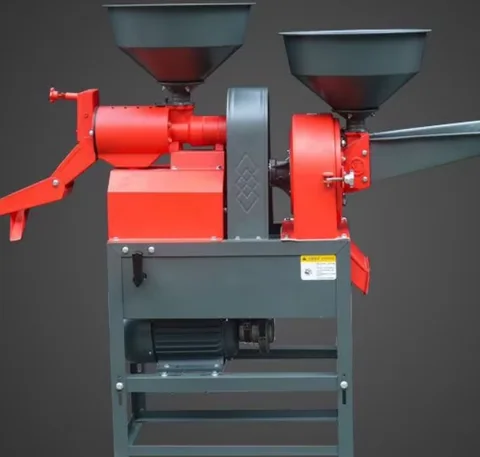
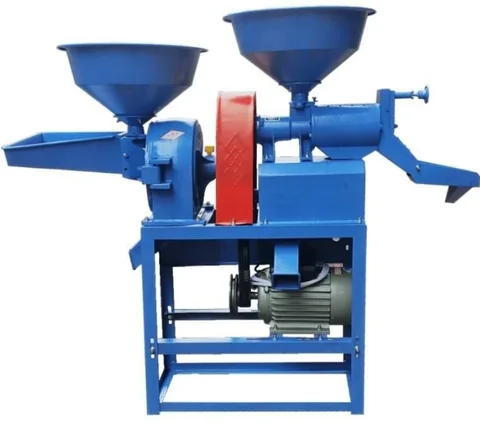
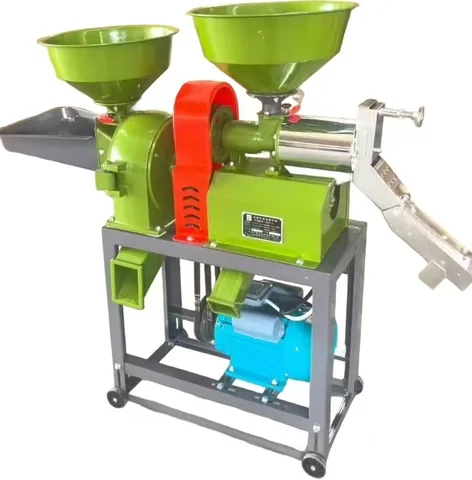
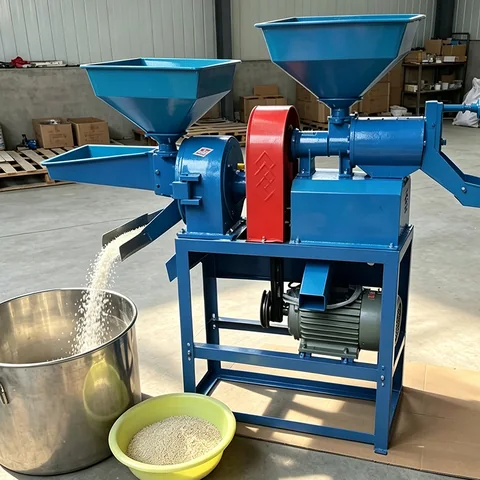
Most suppliers in this trade quote rice mills "on request", which is why buyers end up pricing a machine by rumour. We publish ours. These are the four rice mill models we make, and their prices per set before freight:
_caption: Rice mill models and published prices, Gentor Machinery, November 2026_
| Model | What it does | Power | Published price |
|---|---|---|---|
| Mini Rice Milling Machine with Peeling and Crushing | Milling, peeling and crushing in one electric unit | Electric | US$420-450 |
| Vertical Rice Whitener and Polisher | Finishes milled rice to a whiter, more even surface | 2.2 kW | US$480-499 |
| Portable Automatic Mini Rice Mill | One operator, no fixed mill line | Automatic | US$500-510 |
| Paddy Husker and Rice Huller, 300 kg/h | Removes husk from paddy, producing brown rice | 2.2 kW | US$500-519 |
Those are machine prices. They are not what a rice mill costs in Nigeria.
What a Nigerian buyer adds on top
Four costs sit between our price and a machine running on your site. We do not quote a single landed figure, because we control only the first of them.
1. Ocean freight. Rice mills ship as LCL unless you fill a container. The cost depends on the chargeable volume of your model, the packing, and the port you use. Ask for the freight at the same time as the machine quote, not after.
2. Duty and VAT assessed at the port. Rates are set by the Nigerian authorities and change. We will not print a number here that may be out of date by the time you read it - ask your clearing agent for the current rate on the HS code your machine falls under.
3. Clearing agent and terminal charges. Port charges, agent fees and storage if the paperwork stalls. This is usually the line that surprises first-time importers, especially when a document is missing and the container starts accruing storage.
4. Inland haulage. Apapa and Tin Can to your site. A 300 kg/h husker moves on a small truck; a full milling line does not.
Which model fits which job
The four models are not four sizes of the same thing. They are four different stages and scales:
- Husking only. The 300 kg/h paddy husker turns paddy into brown rice and stops there. If you sell brown rice, this is the whole machine you need.
- One-pass village milling. The mini milling machine with peeling and crushing covers more of the process in one unit, for farm-gate and village-level work.
- Finishing. The vertical whitener takes already-milled rice to a whiter, more even surface. It is a stage in a line, not a standalone mill.
- Single operator, no fixed line. The portable automatic unit is sized so one person can move it and run it without building a mill house around it.
If you are starting from nothing and selling white rice, the honest answer is that one machine will not cover paddy to polished rice at commercial volume. Ask which stage you are missing before you ask which model is cheapest.
Three things that change the delivered cost more than the machine
Volume, not weight. LCL is charged on whichever is greater, weight or cubic volume. A light machine in a bulky crate can cost more to ship than a heavier compact one.
Port and timing. Freight and terminal charges move with congestion and season. A quote is a snapshot, not a price list.
Paperwork completeness. A missing certificate or a consignee name that does not match stops the container, and storage is charged by the day. This is the most common way a cheap machine becomes an expensive one.
What to check before you pay
- Proforma invoice showing the exact model, voltage and phase for your site - not "220 V" as a generic assumption.
- Packing list with dimensions and gross weight, so the freight quote is comparable.
- Who appears as consignee, and whether your agent can clear under that name.
- Ask your clearing agent whether your model falls under SONCAP or another conformity route before shipment, not after arrival.
- Spare screens, sieves and belts quoted with the machine. A mill that stops for a US$10 part for six weeks has cost more than the part.
Where to see every price we publish
31 of the 32 models we list carry a published figure, including the four rice mills above. If a model is quoted per order, the page says so instead of showing an estimate.