Two numbers decide the answer
The first is your peak-week paddy volume, because paddy does not arrive evenly. The second is the hours per day you will actually run the machine. Divide the peak volume by the working hours and you have the throughput you need, in kilograms per hour.
| Peak paddy per day | Throughput needed | What that looks like |
|---|---|---|
| Up to about 500 kg | Under 100 kg/h | Household and village level; a portable mini rice mill run part-time |
| About 1 t | Around 150 kg/h | A small mill running a single shift with one operator |
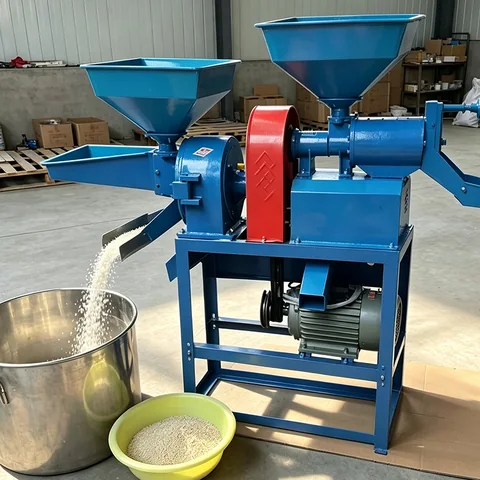
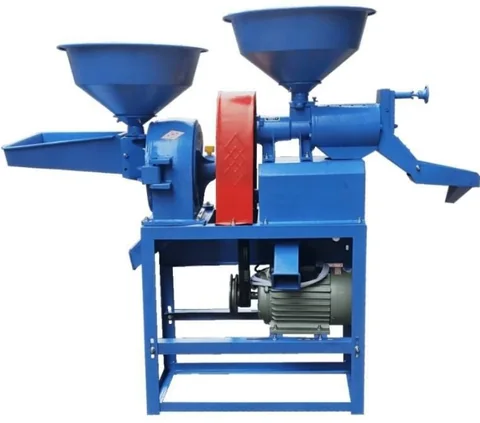
| About 2.4 t | Around 300 kg/h | A 300 kg/h paddy husker on a single eight-hour shift |
| Above 2.4 t | Over 300 kg/h | Two husking units, or combined machines working in parallel, plus a whitening stage |
Four sizing mistakes that cost the most
- Sizing on the annual average. Paddy arrives in weeks, so the machine is judged on the peak week, not the year.
- Assuming the published hourly figure as delivered. Wet paddy and stops cut real output well below the rating.
- Ignoring the second stage. A fast husker feeding a slow whitener just builds a queue of brown rice.
- Buying one big machine instead of two smaller ones. Two units can run in parallel at peak and one can rest for maintenance without stopping all production.
Match capacity to the paddy you can buy
Capacity is only useful if paddy is available. If your supply is limited by what farmers nearby will sell, a larger machine simply idles. In that case spend the difference on drying and storage, which let you buy more paddy at harvest prices and mill it through the year instead.
Check power and space against the chosen size
Larger throughput means a larger motor and a heavier supply. Confirm the motor specification against the voltage, phase and frequency actually delivered at your site before ordering, and leave enough floor space for loading, bagging and a clear walkway around the machine.