The question is not which is cheaper
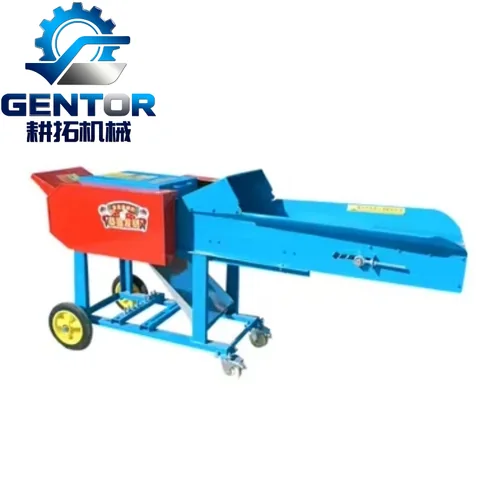
An electric chaff cutter is cheaper to buy than a PTO or diesel machine. That difference is real but small, and it is not the deciding factor. What decides it is whether the machine will stand where there is mains power, or whether it has to travel to the forage.
_caption: Chaff cutter models by drive type and published price, Gentor Machinery, November 2026_
| Model | Drive | Power as published | Published price |
|---|---|---|---|
| Electric Chaff Cutter | Electric | 3 kW | US$280-299 |
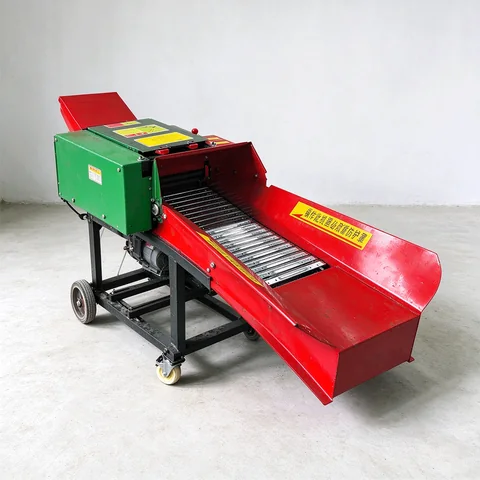
| PTO Driven Chopper with Diesel Engine | Tractor PTO or its own diesel engine | Diesel or PTO | US$320 |
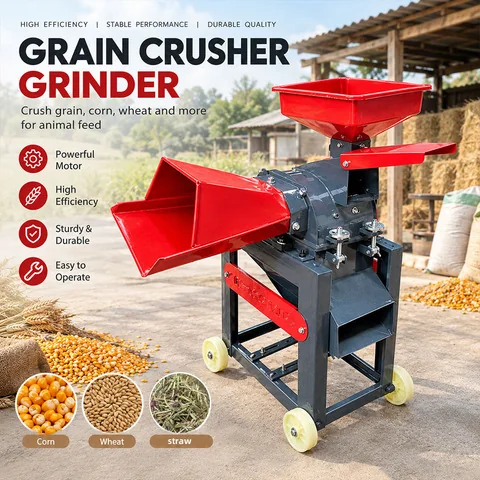
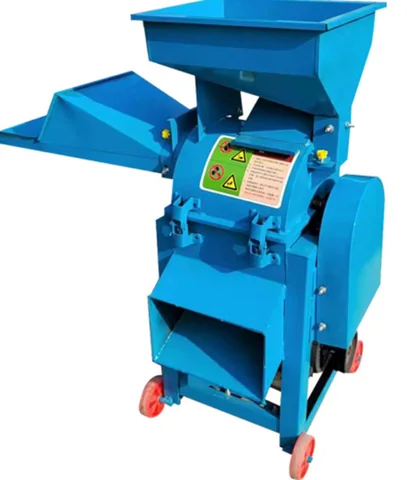
| Feed Hammer Mill and Forage Chopper | Electric | 4 kW | US$330-355 |
| Multipurpose Silage Chopper | Electric | 300-1200 kg/h throughput | US$344-355 |
Read the third column carefully. We publish motor power for three of these machines and throughput for one. If a specification matters to your decision and it is not in that table, ask for it - do not infer it from the price.
What an electric unit actually needs
Three things, and they are the ones that fail in the field:
A supply that can start the motor. A 3 kW or 4 kW motor draws a starting current well above its running current. Tell us your voltage and phase and we will confirm the motor to match - do not assume a household supply will start it.
A fixed position. An electric chopper is a stationary machine. It is sited where the power is, and the forage comes to it.
Cable and protection. Distance from the supply, cable size and a proper breaker are site work, not machine work, but a machine that trips is blamed on the machine.
If those three are satisfied, the electric unit is the simpler purchase: fewer moving parts, no fuel, no engine service.
What the PTO and diesel unit buys
The PTO-driven chopper can run from a tractor's PTO or from its own diesel engine. That single property decides a lot of farms:
- It goes to the field. Chopping at the field side removes a hauling step for green forage, and green forage loses quality the longer it waits.
- It works without mains power. For sites where the power is unreliable or absent, this is not a preference but the only option.
- It pairs with a tractor you already own. If there is a tractor on the farm, the marginal cost of the chopper is the machine, not another engine.
The trade is that you now maintain an engine or depend on the tractor being free when the forage is ready.
Throughput: what is published and what is not
Only the multipurpose silage chopper publishes a throughput figure: 300-1200 kg/h. The spread is wide because output depends on what you feed it - green forage chops faster than dry straw, and a fine chop is slower than a coarse one.
For the other three models we publish power, not throughput. That is deliberate: a kg/h figure measured on one material would mislead a buyer chopping another. If your planning depends on tonnes per day, tell us the material and the chop length you need and we will answer for your case rather than quote a number that only holds for ours.
The fourth model is a different job
The 4 kW hammer mill and forage chopper grinds grain and chops forage in one machine. If you are making a mixed ration - chopped forage plus ground maize or grain - this replaces two machines. If you only chop forage, it is more machine than the job needs.
What to check before you pay
- Voltage and phase confirmed against your actual supply, in writing on the proforma invoice.
- Whether the machine stays in one place or moves - this decides the drive before it decides the model.
- Blade and screen wear parts quoted with the machine. Chop quality falls as blades dull, and a farm that cannot get blades stops chopping.
- The material you will actually chop, including how dry it gets in your season. Dry straw is a harder test than green forage on the same machine.
Where to see every price we publish
31 of the 32 models we list carry a published figure, including all four choppers above. Models quoted per order say so on their page instead of showing an estimate.