The silage timeline
| Stage | Timing | What matters most |
|---|---|---|
| Cutting | When the crop reaches the right growth stage | Cut at the stage the feed value peaks, before the crop matures |
| Wilting | Hours, not days | Target a consistent dry matter across the whole load, not an average |
| Chopping and filling | Same day wherever possible | A short, even chop that packs without voids |
| Compaction | Continuous while filling | Layer by layer, working the edges and shoulders as hard as the middle |
| Sealing | Immediately after the last load | Airtight cover, weighted continuously across the whole face |
| Feed-out | After the fermentation period | Take a clean face and remove enough each day to stop heating |
Chop length and the machine behind it
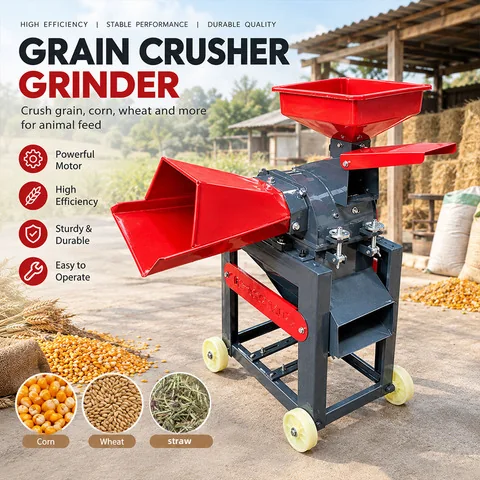
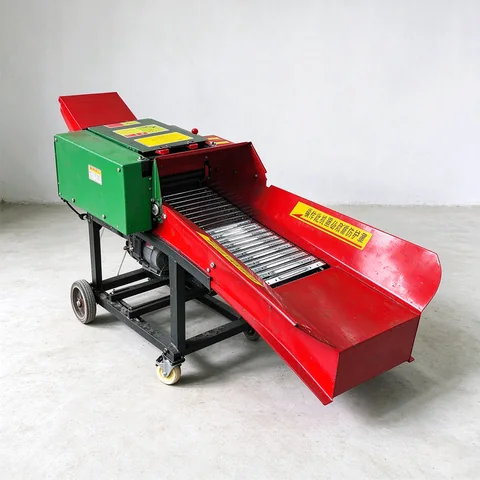
A shorter chop packs tighter and excludes more air, which is why silage is chopped finer than straw fed in a rack. On our range, the 3 kW electric chaff cutter handles a fixed shed with mains power, while the PTO-driven or diesel-engine chopper works in the field away from a supply. The 300-1200 kg/h multipurpose unit adds ultra-fine grinding for farms pushing intake.
Equipment you actually need
- A chopper sized to your daily acreage, not to your best day, because a slow chopper cannot keep up with the pit.
- A tractor for compaction, working continuously while filling.
- Cover material and weights, held on site before harvest starts so sealing is never delayed.
- A shear grab or block cutter, so the face stays clean at feed-out and air is not pushed into the pit.
Budget the chopper against the pit
The chopper is only one link. If the pit cannot be filled and sealed inside the harvest window, extra chopping capacity simply creates a bigger heap of material waiting for the cover. Work out the tonnes per day the pit needs, then pick the machine that keeps pace with wilting, hauling and compaction as well.