The number you need is not on the brochure
Tractor brochures quote engine horsepower. Chaff cutters quote kilowatts. Neither number is the one that decides whether the pair works together.
What matters is how much power arrives at the machine's shaft, and on a PTO-driven cutter that comes from the tractor's power take-off, which is rated separately from the engine. Every second-hand tractor seller knows this. It is the reason a machine that looks over-matched on paper can bog down in wet maize stalks.
This page does the arithmetic we can do from published figures, and names the one figure we do not publish.
First, convert what we do publish
Three of our four choppers publish a power figure, one in kilowatts. Converting to horsepower is simple arithmetic — one kilowatt is about 1.34 horsepower:
| Chopper | Drive | Published power | Equivalent at the shaft |
|---|---|---|---|
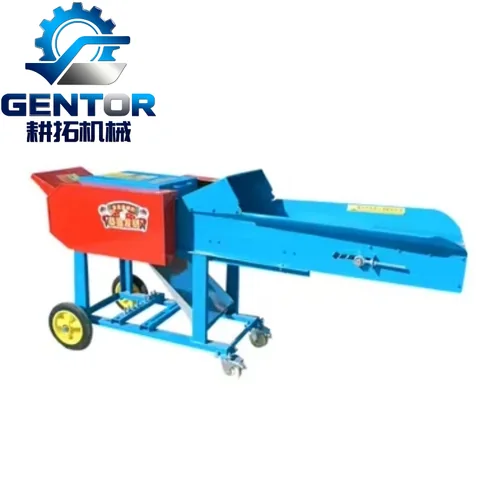
| Electric chaff cutter | Mains electric | 3 kW | about 4.0 HP |
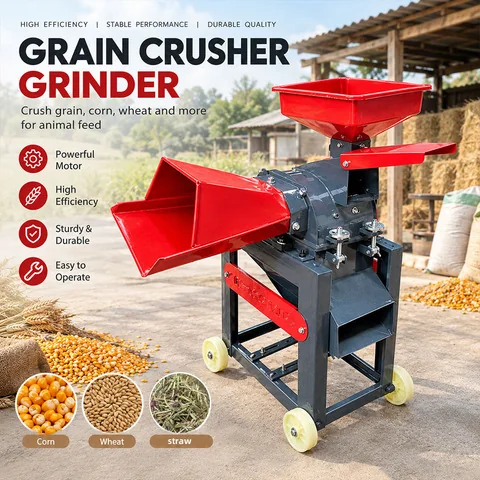
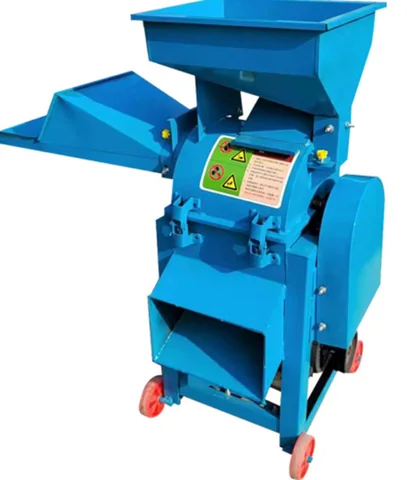
| Feed hammer mill and forage chopper | Mains electric | 4 kW | about 5.4 HP |
| PTO driven chopper | PTO or its own diesel engine | not published | — |
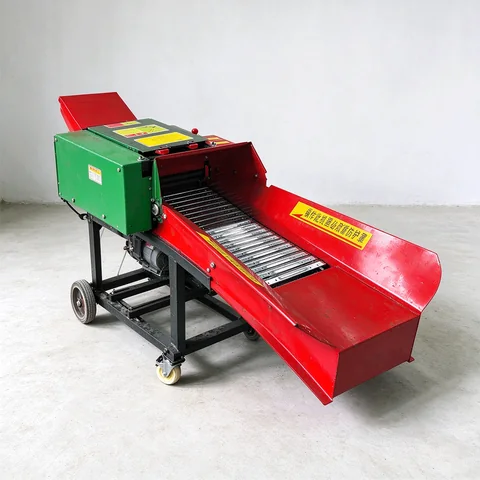
| Multipurpose silage chopper, 300-1200 kg/h | not published | not published | — |
Two rows are deliberately blank. We publish throughput for the silage chopper and drive options for the PTO unit, but not a power rating, and a number invented to fill the cell would be the most expensive kind of error: a buyer sizing a tractor on it.
What the tractor side looks like
Our tractor range publishes engine horsepower:
| Tractor | Engine | Drive | Published price |
|---|---|---|---|
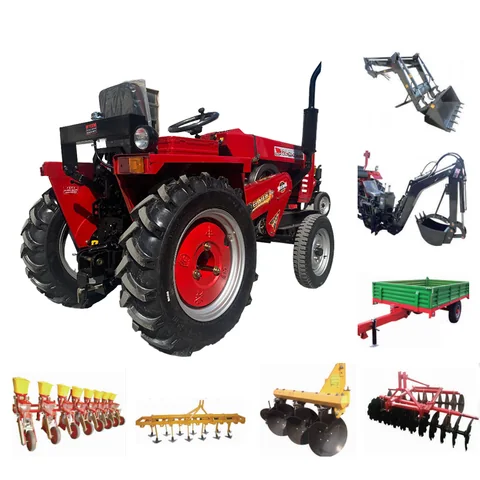
| Compact walking tractor | 18 HP diesel | 2WD, two-wheel | US$899 |
| Mini farm tractor | 26 HP | 2WD, belt drive | US$2,480-2,520 |
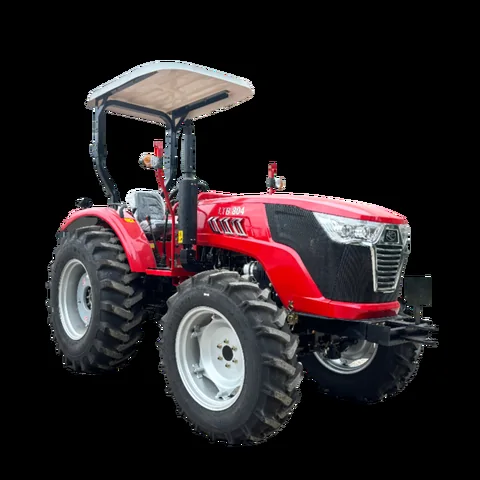
| LTB804 wheeled tractor | 80 HP | 4WD, gear drive | US$9,810-9,860 |
| LTX2004 wheel farm tractor | 200 HP | 4WD | US$27,200-27,888 |
The smallest tractor we list is 18 HP. The largest chopper that publishes a rating needs about 5.4 HP at the shaft. On power alone, none of these tractors is close to its limit driving any chopper we list.
That is worth saying plainly, because buyers routinely over-buy a tractor for a 4 kW machine. If power were the only constraint, the 18 HP walking tractor would already be enough.
So what actually decides it
Power is the easy part at these sizes. Four things decide whether a PTO chopper runs properly on your farm:
- PTO spline and shaft height. A tractor's PTO stub comes in standard spline counts and sits at a set height above the ground. The chopper's shaft has to line up. Confirm both before you buy, especially on a walking tractor.
- PTO speed. Rated shaft speed is a property of the tractor, not the chopper. If your tractor runs a different rated speed, the chopper turns at a different speed than it was set up for.
- Whether the tractor can sit still while it works. Chopping is a stationary job. A tractor that cannot be left running at a fixed position, with the implement attached and the wheels chocked, is the wrong tractor for this job whatever its power.
- Wet material. Green forage and wet maize stalks take more power than dry straw at the same throughput. The rated figure assumes a material; your material may not be it.
When electric beats PTO
If the machine is going to sit in one shed and chop for a feed mixer, mains electric is simpler and cheaper: our 3 kW electric cutter is published at US$280-299, against US$320 for the PTO-driven unit.
The PTO unit earns its price when the machine has to travel — field-side chopping, silage in the row, or farms with no reliable mains supply, where the diesel engine option carries the job.
That is also why the multipurpose chopper at 300-1200 kg/h is the hardest of the four to advise on from a catalogue: it is sold on throughput, and throughput depends on what goes in.
What to send us instead of a guess
Tell us these four things and the matching stops being a guess:
- Tractor model, or the engine horsepower and PTO spline count
- Material to be chopped: dry straw, green forage, silage maize, vegetable waste
- Throughput needed per day, not per hour
- Whether the machine stays in one place or travels
We will answer with the model that fits, and say so if the answer is that your tractor's PTO does not match anything we list.
Where the published prices are
Every figure on this page comes from our published price list, which covers 31 of the 32 models we list.