The question buyers actually need answered about tractor spare parts is not which brand has the best supply. It is what belongs on the first order, and what to confirm before paying so that the second order is possible.
One fact drives the whole first answer: on a small part, sea freight costs more than the part. That is why the first order is the cheapest place to solve parts, and why leaving it until something breaks is the most expensive way to run a tractor.
Power classes, from the published range
Parts thinking starts with the model. Here is the published range, so the class you are buying is clear before the parts conversation starts.
| Model | Power / drive | Published price (per set) |
|---|---|---|
| Compact Walking Tractor | 18 HP, 2WD, diesel | US$899 |
| Mini Farm Tractor | 26 HP, 2WD | US$2,480-2,520 |
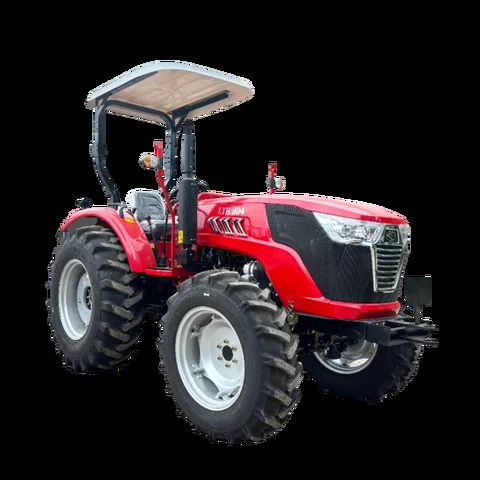
| LTB804 Wheeled Tractor | 80 HP, 4WD | US$9,810-9,860 |
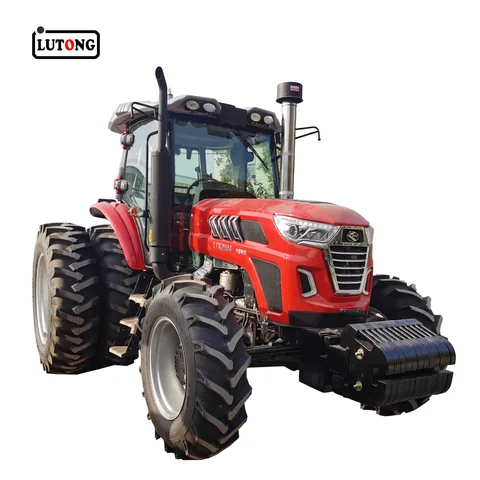
| LTX2004 Wheel Farm Tractor | 200 HP, 4WD | US$27,200-27,888 |
Every step up in that table adds implement capacity, and it adds parts that wear. A 200 HP machine carries more assemblies than an 18 HP walk-behind, so the wear parts list is model-specific rather than brand-specific. Ask for it for the exact model, not for the brand.
What belongs in the first order
Three groups:
- Wear parts for the assemblies that wear. Whatever the manufacturer's own list says for your model. This is the first thing to request in writing.
- Anything whose failure stops the tractor immediately. These are the parts that cost you a season, not a repair bill.
- Fast-moving small items. Filters and belts on the model's own list — small, light, and disproportionately disruptive when missing.
Ordering by someone else's generic list is the common mistake. A list built for a different model in the same range will be partly wrong in both directions.
The after-sales questions that settle it before you pay
Ask these at quotation stage, and ask for the answers in writing:
- Lead time to reorder a named part, expressed as a real interval and the shipping method it assumes.
- The part numbering scheme, so the next order can be placed without re-identifying the part.
- Whether the parts list ships with the machine, and in what form.
- Which parts the manufacturer itself holds as wear items for this model.
A supplier that answers with numbers and a route is set up for after-sales. "Parts are always available" is not an answer to any of the four.
We publish capacity, power and price for every tractor model on this site, which is what makes the class comparison possible before the parts conversation starts. If you send us the model you are considering and the work it will do, we will tell you which class actually matches the job — and what to put on the first parts order for that specific model.