Horsepower to job, in broad bands
| Class | Typical ground and job | Implements that fit the class |
|---|---|---|
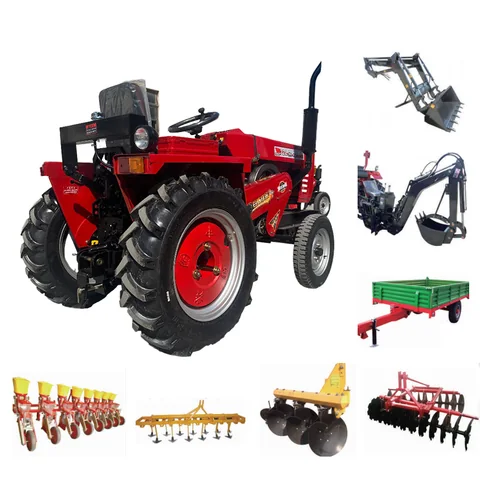
| 18 HP walking tractor, 2WD | Paddy, terraces, plots under about two hectares | Rotary tiller, small trailer, pump drive |
| 26 HP mini tractor, 2WD | Small mixed holdings, light tillage, transport | Light plough, harrow, small trailer |
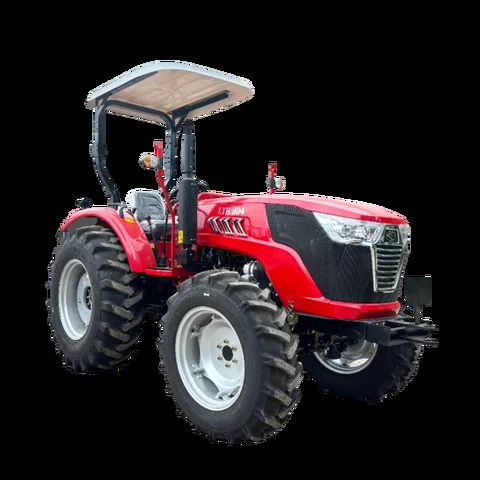
| 80 HP 4WD (LTB804) | Primary tillage and heavier implements on medium holdings | Mouldboard plough, disc harrow, seed drill, larger trailer |
| 200 HP 4WD (LTX2004) | Large blocks, heavy implements, commercial operations | Heavy plough, wide harrows, heavy trailers, balers |
Five checks before you pay
- Measure your tightest gateway and turning circle, then compare it with the machine dimensions.
- Confirm the tyres suit your ground. Wide tyres float on wet soil, narrow tyres bite on firm ground.
- Ask what spares are held locally for the model: filters, belts and clutches decide how many days a season you lose.
- Agree the implement list in the same quotation as the tractor, so nothing is bought twice or forgotten.
- Confirm the hydraulic outlets and hitch match the implements you intend to use.
Two-wheel or four-wheel: the decision in one line
If your land is paddy, terraced, or under about two hectares, and your jobs are tillage and light transport, an 18 HP walking tractor or the 26 HP two-wheel-drive mini does the work at the lowest cost. As soon as you need ploughing depth, trailed implements or reliable transport on soft ground, move to a four-wheel-drive tractor with gear drive.
Plan the running costs with the purchase
- Shelter and a dry floor, so the machine is not left in the weather between seasons.
- A basic tool set, grease and oil, and one person trained to follow the service schedule.
- A season of filters and belts held on site, because a tractor waiting for a filter is a tractor earning nothing.
- A fuel plan, including where diesel is bought and how it is stored cleanly.