China or India is the question buyers type, and it is the wrong variable to decide on. The same machine can be sourced well or badly from either country, and the difference that shows up three seasons later is never the flag on the shipping document — it is the four numbers nobody asked for at quotation stage.
So this page does not compare countries. It gives you the four dimensions to compare, and works one side of it fully using our own published data so you can see what a completed comparison looks like.
The four dimensions that decide it
| Dimension | What to ask each supplier | Why it decides the outcome |
|---|---|---|
| Capacity band | Throughput, in writing, for the exact model quoted | Decides how much paddy you can process in a season, and whether the machine matches the volume you can actually buy |
| Motor rating | Published power, in kW | The electrical work at your site is a separate real cost, and it scales with the rating |
| Spare parts | Lead time to reorder a named wear part, plus the part numbering scheme | A running cost of ownership; the dimension most often left out of the first comparison |
| Landed cost | What the quoted price covers, and what it excludes | Freight, duty and on-site work sit outside the machine price, and they are set by your side of the trade |
Worked example: one side, completed
This is what the Chinese side of the table looks like when it is filled in from published data rather than from a sales conversation.
| Model | Stage in the process | Published price (per set) | Power |
|---|---|---|---|
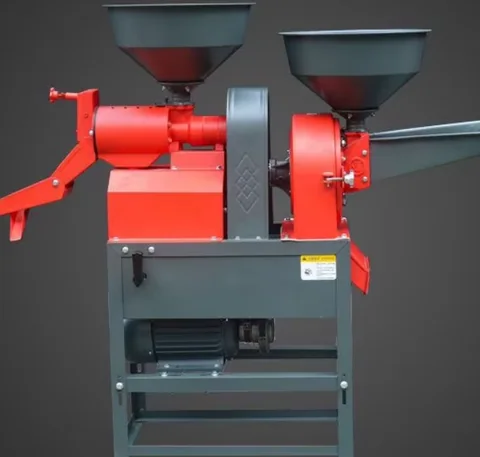
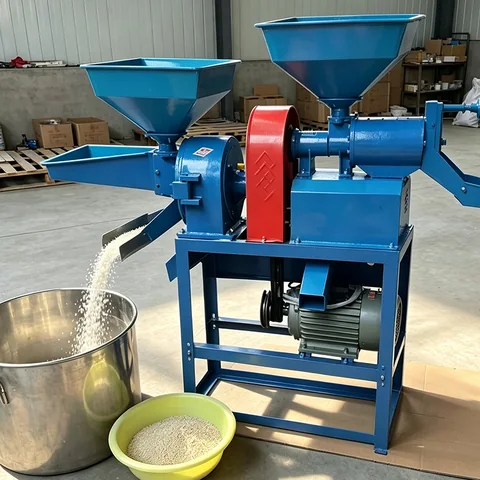
| Mini Rice Milling Machine with Peeling and Crushing | Milling, with peeling and crushing in one unit | US$420-450 | Electric |
| Vertical Rice Whitener and Polisher, 2.2 kW | Whitening and polishing to finished white rice | US$480-499 | 2.2 kW electric |
| Portable Automatic Mini Rice Mill | Self-contained milling at small volume | US$500-510 | Electric |
| Paddy Husker and Rice Huller, 300 kg/h | De-husking paddy to brown rice | US$500-519 | 2.2 kW electric |
Two things are worth reading off that table before comparing it with anything. First, the whole de-husking-to-whitening sequence for a small mill sits in a narrow band, so capacity — not price — is where the models actually separate. Second, the power rating is published for the models that carry a motor figure, which is what lets you cost the electrical work before you commit.
The gap you have to fill yourself
We publish nothing about Indian machines, and we are not going to estimate them for you. We have no verified specifications or prices for that side, and a confident competitor number produced without a source is exactly the kind of detail that costs a buyer money — it gets compared against a real quotation and wins for the wrong reason.
So fill that column from your own enquiries: ask the Indian suppliers you contact for the same four figures, in writing, for the exact models they are quoting. When both columns are filled the same way, the comparison does its own work, and the country question usually answers itself.
If you want the Chinese column completed for your volume, tell us your daily paddy throughput and your port. We will tell you which stage to buy first and which model in the band fits — including when the answer is that you should not buy the model you had in mind.