
Equipment decisions

Peanut Shelling Machine vs Manual Shelling

By the Gentor Machinery sales team · updated 2026-10-14

Hand shelling costs nothing to buy and a great deal to run. The question is not whether a machine is faster, it is at what volume the machine becomes cheaper than the labour it replaces, and whether the kernels come out good enough to sell.

The comparison that matters

Manual shelling against machine shelling
FactorManual shellingMachine shelling
ThroughputLimited by hands available, day after dayPublished ratings from 200 kg/h up to 800-1100 kg/h
LabourRises directly with volume; peaks are hard to staffOne or two operators per machine, steady through the season
Kernel damageLow when done carefully, but inconsistent across many handsSet by clearance and moisture; the low-breakage model is specified for seed-grade work
Cost structureNo capital cost, high recurring cost every seasonCapital cost up front, then running cost per tonne falls
ScalingEvery extra tonne needs another personAdd a second machine or a shift instead of more people
TimingShelling runs long after harvest endsThe shelling window matches the buying window

Which machine class fits which job

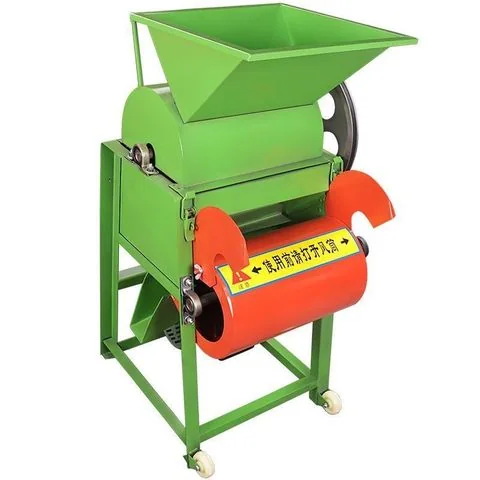
  1. Household and smallholder volumes: a portable electric huller, quoted from US$295 per set, shells at the point of use.
  2. Farm and trading volumes: the 200 kg/h electric sheller with a sieve, from US$290 per set, separates shells from kernels as it works.
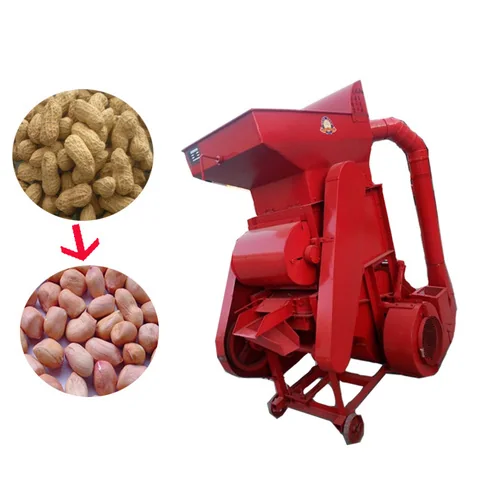
  3. Commercial volumes: the 800 kg/h hulling machine, from US$599 per set, for continuous shelling rather than batch work.
  4. Seed-grade output: the 800-1100 kg/h low-breakage sheller, from US$833 per set, where kernels are planted rather than crushed.

Protect kernel quality whichever route you choose

  • Dry the crop to a consistent moisture content before shelling, by hand or by machine.
  • Set clearance once and check it, rather than adjusting mid-batch under pressure.
  • Feed at a steady rate. Surging the machine is what breaks kernels, not the machine itself.
  • Bag promptly, because clean kernels left in open heaps pick up moisture and dirt again.

A practical middle step

Farms that are not ready for a full commercial line often start with the portable electric huller and keep hand shelling for the awkward lots. It gives a machine-learned shelling routine, produces sellable kernels immediately, and the capital outlay stays small until the volume justifies a larger unit.
Talk it through

Send us the numbers from this guide — volume, area, power supply — and we will match a model to them and quote it per set.

Questions

Peanut Shelling Machine vs Manual Shelling: common questions

Short answers to what buyers ask most often about this topic. The same text is published as FAQ structured data for search engines.

At what volume does a peanut shelling machine pay for itself?

It turns on labour. Compare the tonnes you shell in a season with the number of people and days it currently takes, then compare that with the machine's published hourly capacity and the labour it still needs. The comparison table in this guide sets the two side by side for the capacities we publish.

Which machine reduces broken kernels most?

Kernel damage depends on how gently the seed is handled, which is a function of the shelling mechanism and its adjustment rather than of size alone. Our 800-1100 kg/h groundnut sheller is listed as a low-breakage design for seed use; whichever machine you choose, correct clearance adjustment on your own variety is what protects the kernel.

Can one machine shell different varieties of groundnut?

Usually yes, with adjustment. Shelling clearances and screen sizes are set for the pod size in front of you, so you will need to re-check settings when you change variety or when moisture changes. Ask for the adjustment range of the model you are considering before you commit.

Get a quotation

Send your numbers and we will size the machine

Volume or area, power supply and destination port are enough for us to recommend a model and quote it.

We use your details only to answer this enquiry. Replies usually arrive within about two hours (Replies typically within 2 hours during 09:00-21:00 China Standard Time (UTC+8)).