The six cost blocks
| Cost block | What it covers | Main variables |
|---|---|---|
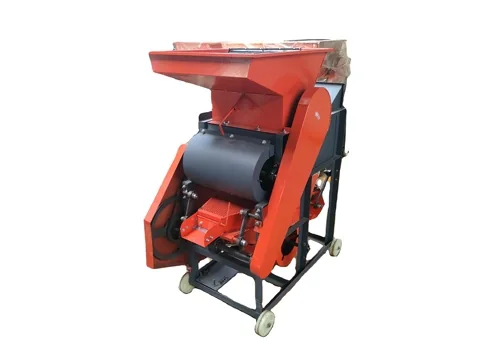
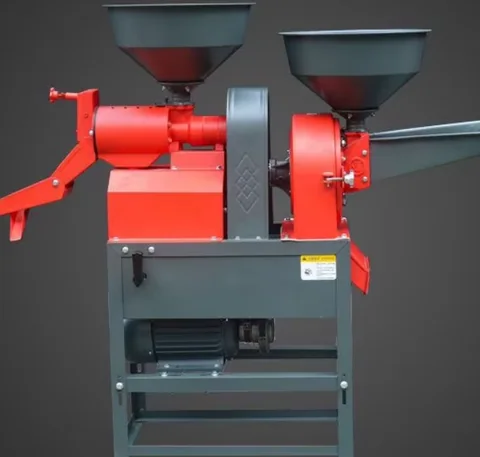
| Milling and processing equipment | Cleaning, degerming, milling, sifting and bagging units | Throughput required, how many stages you mechanise, local versus imported units |
| Site and civil works | Hard standing, drainage, roof, storage bays, access for trucks | Plot condition, whether a building already exists, local construction rates |
| Power supply | Transformer, cabling, switchgear, standby generator | Distance to the grid, whether you need a generator for peak load, motor specification |
| Installation and commissioning | Erection, alignment, trial runs, operator training | Whether a technician travels to site, how long commissioning is expected to take |
| Spares and consumables | Screens, belts, bearings, oil and grease for the first season | Local availability, holding a season of wear parts or ordering as needed |
| Working capital | Maize buying, wages, and cash to hold stock until it is sold | Harvest price versus off-season price, how quickly buyers pay you |
How to compare two quotations honestly
- Put both quotations on the same trade term. FOB and CIF prices are not comparable without the freight, insurance and port charges attached to each.
- List what is excluded. Motors, switchgear, spares, installation and training are frequently left out of a headline price.
- Convert throughput to a common basis. Calculate cost per kilogram of hourly capacity rather than comparing total prices on differently rated machines.
- Add the spares package to both. A machine with no wear parts in the country is more expensive than a slightly dearer machine with spares on the shelf.
- Ask for the lead time in writing and plan site works around it, so the building is not finished three months after the machine arrives.
Where you can save without regret
- Buy the first stage only and add stages as volume grows, rather than installing a complete line at once.
- Use locally fabricated conveying, bagging and storage where the machine interface is simple.
- Import the units where precision matters, such as milling and sifting, and buy the structural steel locally.
- Phase the standby generator unless your product is ruined by a power interruption.
What we can quote and what we cannot
We quote the machinery, its FOB or CIF price to your port, and the spares that go with it. Site works, local construction, grid connection and maize buying are country-specific and priced locally, so we leave them out rather than guessing at figures that would not survive a local quotation.